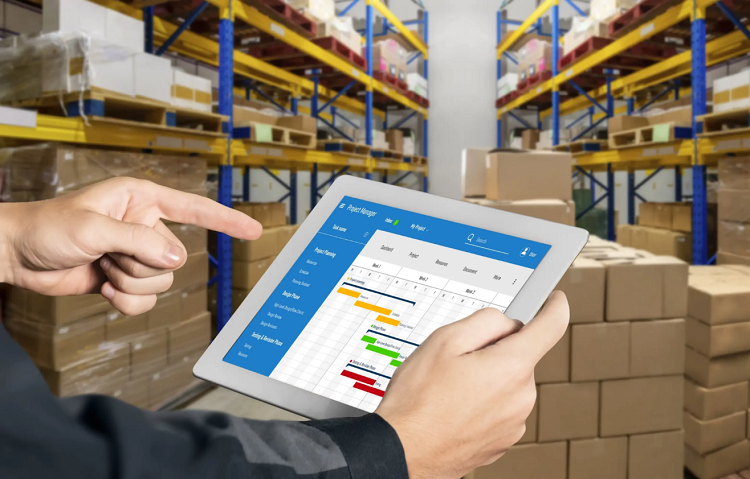
Efficient inventory management is crucial for online stores looking to maximize profitability and customer satisfaction. Poor inventory control can lead to stockouts, overstocking, and delayed order fulfillment, all of which negatively impact business operations. Here are the best practices to ensure smooth inventory management for your e-commerce business.
1. Implement Real-Time Inventory Tracking
Having an accurate and up-to-date view of your inventory helps prevent overselling and ensures that products are always available when customers need them.
How to Do It:
- Use an inventory management system (IMS) with real-time tracking.
- Integrate your IMS with your e-commerce platform and fulfillment center.
- Conduct regular stock audits to verify system accuracy.
2. Optimize Stock Levels
Keeping too much stock ties up capital, while too little can lead to missed sales opportunities. Balancing stock levels is key to maintaining profitability.
How to Do It:
- Use historical sales data to forecast demand.
- Implement a reorder point system to restock products before they run out.
- Keep a buffer stock for high-demand items to avoid shortages.
3. Categorize Inventory Efficiently
Organizing inventory based on product demand, type, or profitability ensures smoother warehouse operations and faster order fulfillment.
How to Do It:
- Use ABC analysis to classify inventory into high, medium, and low-priority items.
- Store fast-moving products in easily accessible areas.
- Group similar products together for efficient picking and packing.
4. Automate Order Fulfillment
Automation reduces errors, speeds up order processing, and improves overall operational efficiency.
How to Do It:
- Use barcoding and RFID technology to track inventory accurately.
- Implement automated order routing to direct fulfillment to the nearest warehouse.
- Set up alerts for low stock levels to prevent unexpected shortages.
5. Streamline Returns Management
Handling returns efficiently ensures customer satisfaction and prevents inventory discrepancies.
How to Do It:
- Establish a clear and simple return policy.
- Inspect returned products before restocking.
- Track return reasons to identify potential product or process issues.
6. Leverage Third-Party Logistics (3PL) Services
Partnering with a 3PL provider can enhance efficiency by handling warehousing, order fulfillment, and shipping logistics.
How to Do It:
- Choose a 3PL with real-time inventory tracking capabilities.
- Use multiple fulfillment centers to reduce shipping costs and delivery times.
- Ensure seamless integration between your e-commerce platform and 3PL provider.
This article was written by a professional at Save Rack, a 3PL provider with extensive experience in ecommerce logistics. Their clothing fulfillment center ensures accurate, timely deliveries for fashion brands of all sizes.